The Role of Prototyping in Sustainable Software Engineering
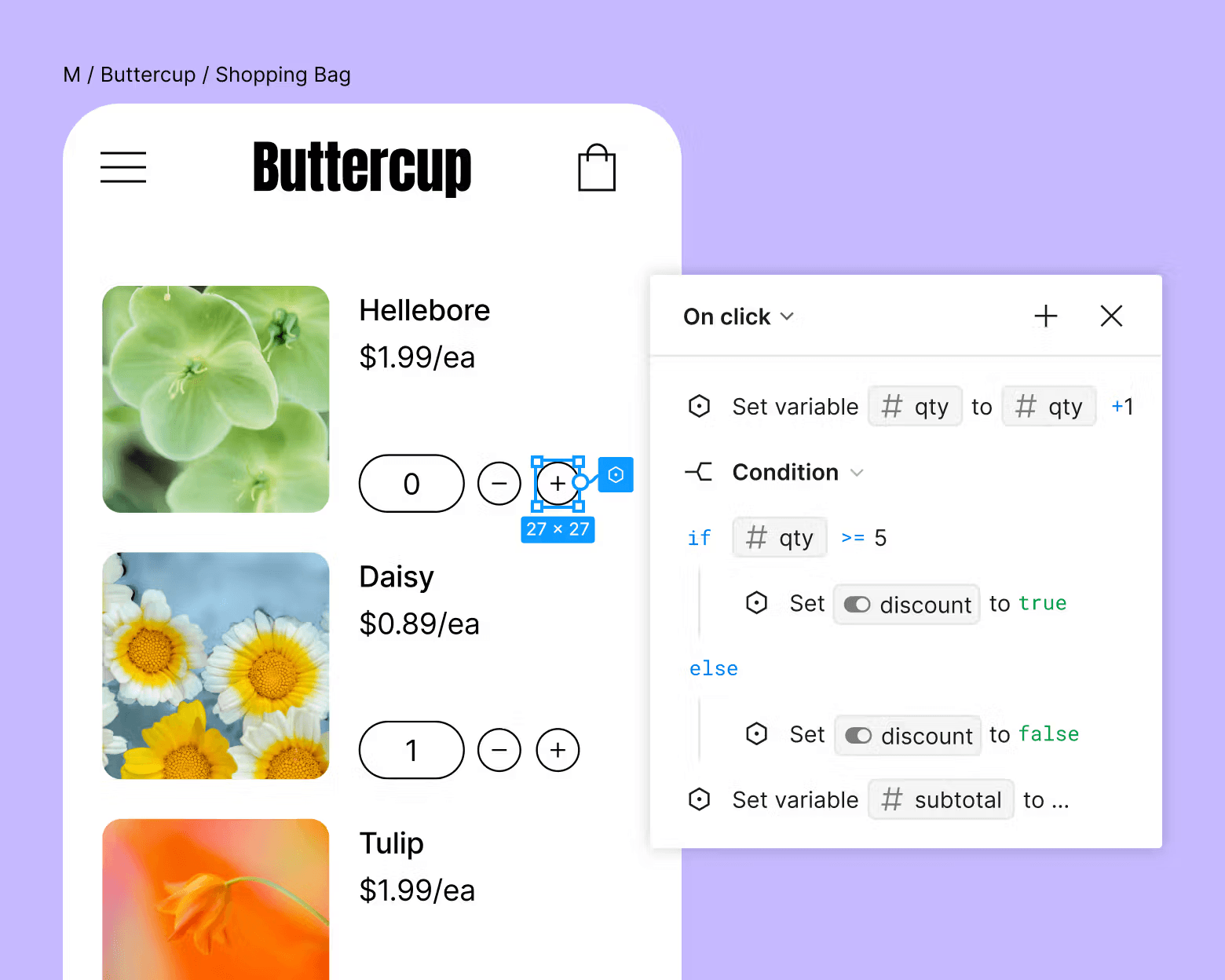
Prototyping is more than sketching user interfaces. It is a way of thinking, experimenting, and reducing risks — not just technical risks, but also environmental and social ones. By making ideas tangible early, teams can reveal hidden impacts and design more responsibly.
Introduction
In software engineering, prototyping is often seen as a way to speed up design or get quick feedback on user interfaces. But its role is much deeper. Prototyping is a learning activity: it helps teams surface assumptions, test alternative paths, and understand both user needs and systemic impacts before committing resources.
This article explores different dimensions of prototyping and explains why it is central to sustainable and responsible software engineering.
Why Prototype?
Reduce uncertainty
Prototypes help clarify vague requirements and test assumptions early.
Expose hidden impacts
By simulating workflows, prototypes reveal potential ecological or social consequences before real systems are built.
Enable participation
Prototypes allow diverse stakeholders — including marginalized groups — to see and critique ideas, not just abstract documents.
Fail safely
Exploring bad ideas in a low-cost prototype avoids expensive mistakes in code, infrastructure, or policy.
Accelerate learning
Each iteration builds shared understanding across designers, developers, and stakeholders.
Types of Prototypes
Not all prototypes look alike. They vary in fidelity, purpose, and audience.
Low-fidelity
Paper sketches, wireframes, or click-through mockups. Fast, cheap, and great for exploring broad concepts.
Medium-fidelity
Interactive mockups or partial implementations. Useful for testing specific interactions or data flows.
High-fidelity
Close-to-final designs or coded experiments. Best for validating technical feasibility, performance, or integration issues.
Each type of prototype offers a different balance of speed, detail, and risk reduction.
Conclusion
Prototyping is not just about validating usability — it is a strategic tool for sustainability. It helps teams learn quickly, include diverse perspectives, and prevent negative impacts before they are baked into the system.